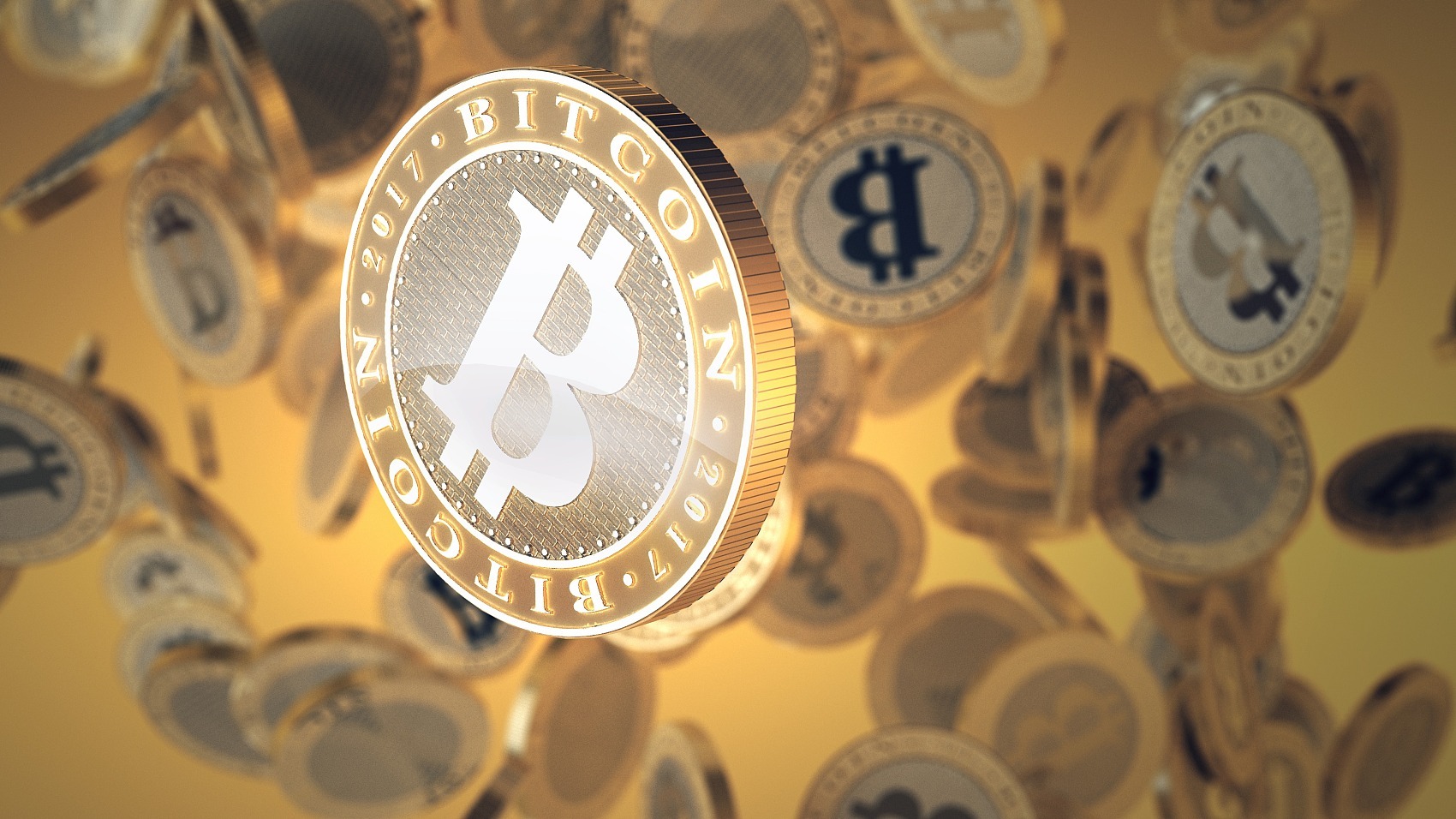
Essential Crypto strategies to learn for beginners.
Beginner's Guide: Understand How to Invest in Crypto in 3 Minutes
Crypto, simply put, is a type of virtual currency based on cryptographic principles to ensure the security of transactions. Unlike the currencies we use daily, Crypto has no physical form, leading many to believe it is merely a bubble with no intrinsic value. But is this really the case?
During the past five years of turbulence in Hong Kong and U.S. stocks (from February 2020 to February 2025), Bitcoin, the world's largest cryptocurrency by market capitalization, has seen cumulative gains of nearly ninefold, far outpacing the Nasdaq Composite Index, the S&P 500 Index, and the Hang Seng Index during the same period.
If you are attracted by the gains in Crypto and wish to invest but do not know where to start, take three minutes to continue reading. The following content will quickly guide you through the basics.
1. Does cryptocurrency have long-term investment value?
Many people likely have this question: Why has cryptocurrency risen so much? Does it truly possess long-term investment value?
Take Bitcoin as an example. Applying the logic of stock investment, a stock that maintains an upward trend over five or even ten years likely possesses a unique investment rationale. So, what is the investment logic behind Bitcoin? It mainly manifests in the following three aspects:
1. Scarcity
The total supply of Bitcoin is capped at 21 million coins. Every 210,000 blocks (approximately every four years), a "halving" occurs, reducing production by 50% each cycle. Each halving further tightens the supply of Bitcoin, driving up its price. The latest halving occurred on April 19, 2024, with cumulative gains reaching 48% as of December 4, 2025.
2. Decentralized nature
Bitcoin does not rely on a central authority to operate, avoiding restrictions imposed by governments or financial institutions.
Imagine you are holding a banknote – its value is determined by the central bank, including its issuance volume, anti-counterfeiting technology, and it may even depreciate due to policy changes. Bitcoin, however, is different. It is not controlled by any central authority (such as a central bank or government) but is maintained collectively by hundreds of thousands of computers worldwide through a 'distributed ledger.' This is akin to a group of people jointly keeping records, where no single entity can tamper with the data alone, and there is no need to trust a specific individual or institution.
At the same time, Bitcoin possesses anti-inflation characteristics. Fiat currencies (such as the Hong Kong dollar, US dollar, etc.) may depreciate due to excessive issuance, but the total supply of Bitcoin is limited, making it similar to gold in terms of value preservation. Hence, it is referred to as 'digital gold.'
3. Acceptance and recognition by markets and regulatory authorities
In recent years, Bitcoin has gradually transitioned from being an 'underground asset' to becoming a formal member of the mainstream financial system. With advancements in technology, the practicality and value of Bitcoin have been increasingly accepted and recognized: prominent investment banks such as JPMorgan and Fidelity have opened crypto trading desks; regions including the United States and Hong Kong have issued regulatory frameworks for virtual assets and approved the listing and trading of multiple Bitcoin or Ethereum spot ETFs; Trump announced plans to include cryptocurrencies like Bitcoin in strategic reserves... These developments have further enhanced Bitcoin’s intrinsic value.
II. Key Considerations Before Investing in Crypto (Using Bitcoin Spot as an Example)
There are various ways to invest in Bitcoin, with the most common including: Bitcoin spot, Bitcoin futures, Bitcoin ETFs, Bitcoin-related stocks, and associated derivatives. The most direct method is trading Bitcoin spot. So, how can one trade Bitcoin spot on Futu?
1. Preliminary steps for first-time trading
If this is your first time trading Bitcoin spot, you will need to activate your Crypto account, complete a risk assessment, and transfer funds from your securities or futures account to your Crypto account. The steps are as follows:


2. Executing the trade
Search for 'BTC' or 'Bitcoin' to find the latest price quotes. To actually trade Bitcoin spot, you need to select a tradable currency pair such as 'BTC/USD' or 'BTC/HKD' from the available options to proceed with the transaction.

Is it necessary to have more than HKD 700,000 to invest in Bitcoin? In fact, Bitcoin spot trading does not require buying or selling whole units. For example, on Futubull, the minimum purchase is 0.0003 Bitcoin, allowing entry with just a few hundred Hong Kong dollars.
Moreover, Bitcoin spot trading operates 24/7, without closing during Hong Kong and US stock market hours or holidays.
Apart from Bitcoin spot trading, Hong Kong investors can also choose other methods to invest in Bitcoin.

Want to learn more?
 More introductions to mainstream cryptocurrencies:
$以太坊 (ETH.CC)$ ↓↓↓
Understand Ethereum in 5 minutes
This is the core logic behind ETH's rise!
In-depth analysis of Ethereum's future potential: regulatory environment, DAT, and self-governance
Get to Know Solana in 5 Minutes
 More Analytical Methods:
How to Evaluate DAT (Crypto Asset Treasury Companies)? Be Cautious if This Indicator is Less Than 1!
Institutional Insights: Two Key Metrics for Analyzing BTC Buy/Sell Points
By 2045, Could Each Bitcoin Be Worth $40 Million?
Four Technical Indicators to Identify Crypto Market Entry Signals
Do Cryptocurrencies Have Fundamentals? Three Focus Areas to Improve Trading Success Rates!
 More Emerging Trends and Industry Perspectives on Crypto:
The Future of Money is On-Chain! Where Are the New Breakout Points for Crypto?
Analysis of Investment Logic Behind Three Major Hot Topics in Crypto
Should Crypto be included in asset allocation for 2025?
III. Risks of Investing in Crypto
Regulatory risk: The stance of regulatory bodies such as the U.S. Securities and Exchange Commission (SEC) toward cryptocurrencies may still impact the global Crypto market.
High volatility: Compared to most bonds, stocks, and funds, Crypto prices tend to fluctuate significantly. Within the Crypto market, the prices of mainstream coins like Bitcoin and Ethereum are relatively more stable than most Altcoins (tokens other than Bitcoin and Ethereum).
For a detailed understanding of the factors influencing Bitcoin prices, you can click to viewThe Seven Major Factors Influencing Crypto Prices
Technical security: Fraud and hacker theft are the most common security issues. Common fraudulent practices include fake websites, phishing, extortion, fraudulent ICOs, etc.
Market bubble risks: Some Altcoins lack practical applications; projects that rely solely on marketing to inflate prices should be approached with caution.
How to avoid liquidation? As mentioned earlier, there are many ways to invest in cryptocurrencies available in the market, each with varying levels of risk. Typically, avoiding the following two scenarios can prevent liquidation:
1. Trading cryptocurrency derivatives (futures, OTC contracts, etc.)
2. Margin trading for smaller market cap Altcoins (cryptocurrencies other than Bitcoin and Ethereum)
Under normal circumstances, investing in cryptocurrency spot markets, related ETFs, or concept stocks while managing your positions appropriately can keep risks relatively under control; in fact, if margin and derivative trading are not involved, only account losses may occur, rather than liquidation.
Overall, Crypto has gradually matured to this day and has become an indispensable asset class in the digital era. Similar to the internet revolution 20 years ago, blockchain technology is reshaping the global financial system. Through scientific risk management and a long-term holding strategy, novice investors can fully participate in and benefit from this emerging field.